Workshop Resources for Deeper Learning: An Instructional System to Enact Your Adopted Curriculum

Research Behind the Model of Instruction for Deeper Learning

Today’s rigorous curricula require a different instructional system to fully enact High-Quality Instructional Materials (HQIM). See the research and case studies that validate the Model of Instruction for Deeper Learning’s positive impact on student achievement, behavior, engagement, attendance, well-being, and teacher burnout and retention.

The Double-Digit ELA and Math Gains study below highlights results from a pilot in Colorado Springs School District 11: students taught by teachers verified in the model scored 22 STAR scale-score points higher in ELA and 18 points higher in mathematics than matched comparison students in the same grade levels, using the same curriculum.

Read the article: The Missing Piece in HQIM Implementation — How to Get Higher Achievement from Your Existing Curriculum

The Missing Piece in HQIM Implementation: How to Get Higher Achievement from Your Existing Curriculum

Read the study: Double-Digit ELA and Math Gains Associated with the Model of Instruction for Deeper Learning

Double-Digit ELA and Math Gains Associated with the Model of Instruction for Deeper Learning

Read the research collection: Achievement, Behavior, Engagement, and More

Research and Case Studies on the Model of Instruction for Deeper Learning: Achievement, Behavior, Engagement, and More

Student Populations and Content-Specific Examples

Deeper learning supports all learners and subject areas. This collection highlights the research-backed best practices and success stories from classrooms implementing the Model of Instruction for Deeper Learning in Title I schools and with English Learners, students with disabilities, and pre-K students. You’ll also find content-specific examples of bringing deeper learning to life in ELA, math, and science classrooms.

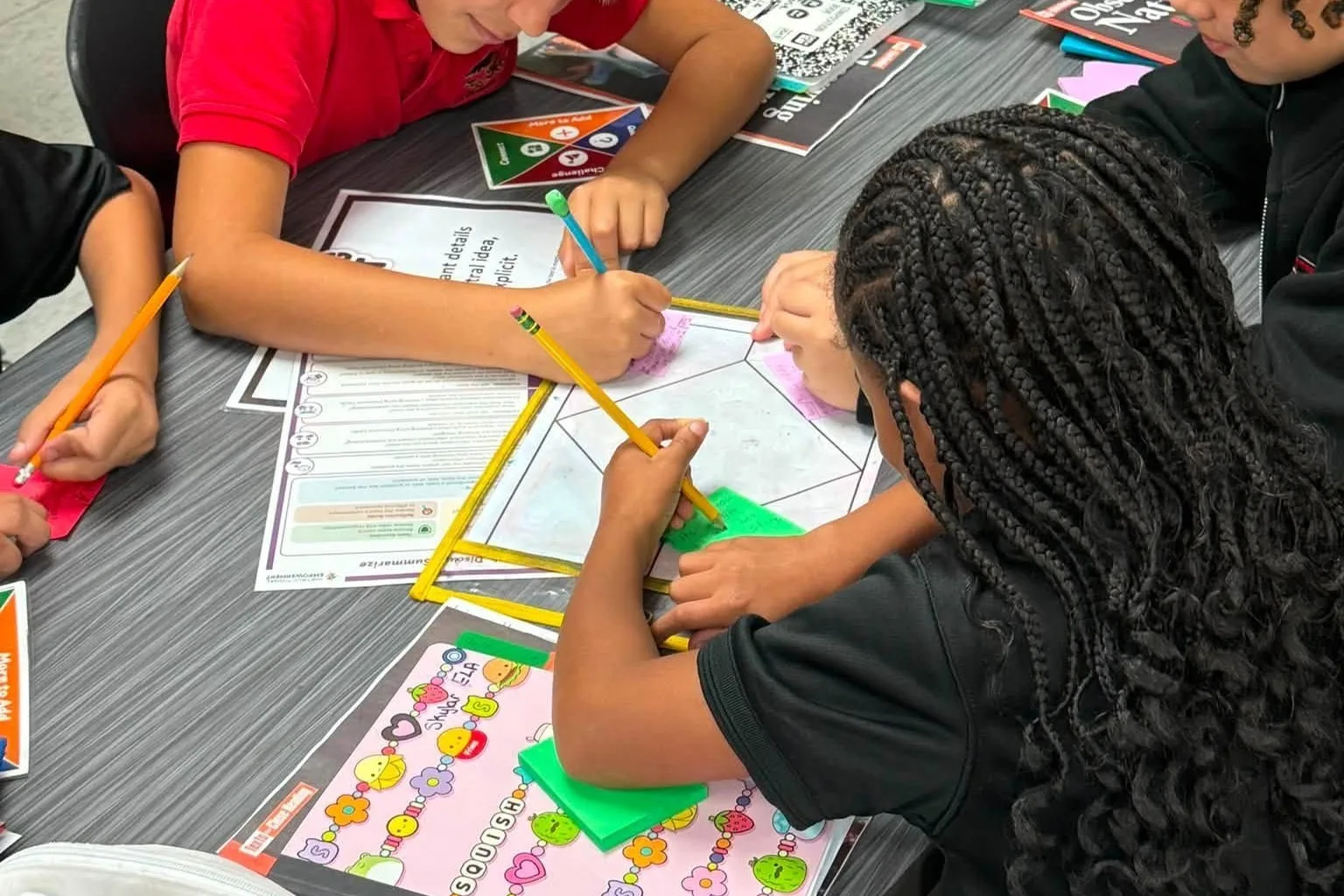
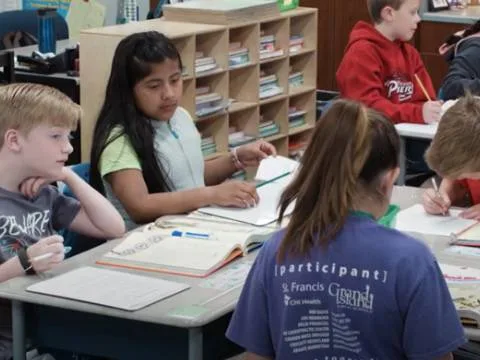
Three students in a Title 1 elementary school sit at a table together and write on a Summarizing Mat from the Model of Instruction for Deeper Learning.

Deeper Learning for
Title 1 Schools

A middle school team of students sits at desks together as students with disabilities are fully integrated into their teams and experience deeper learning.

Deeper Learning for
Students with Disabilities

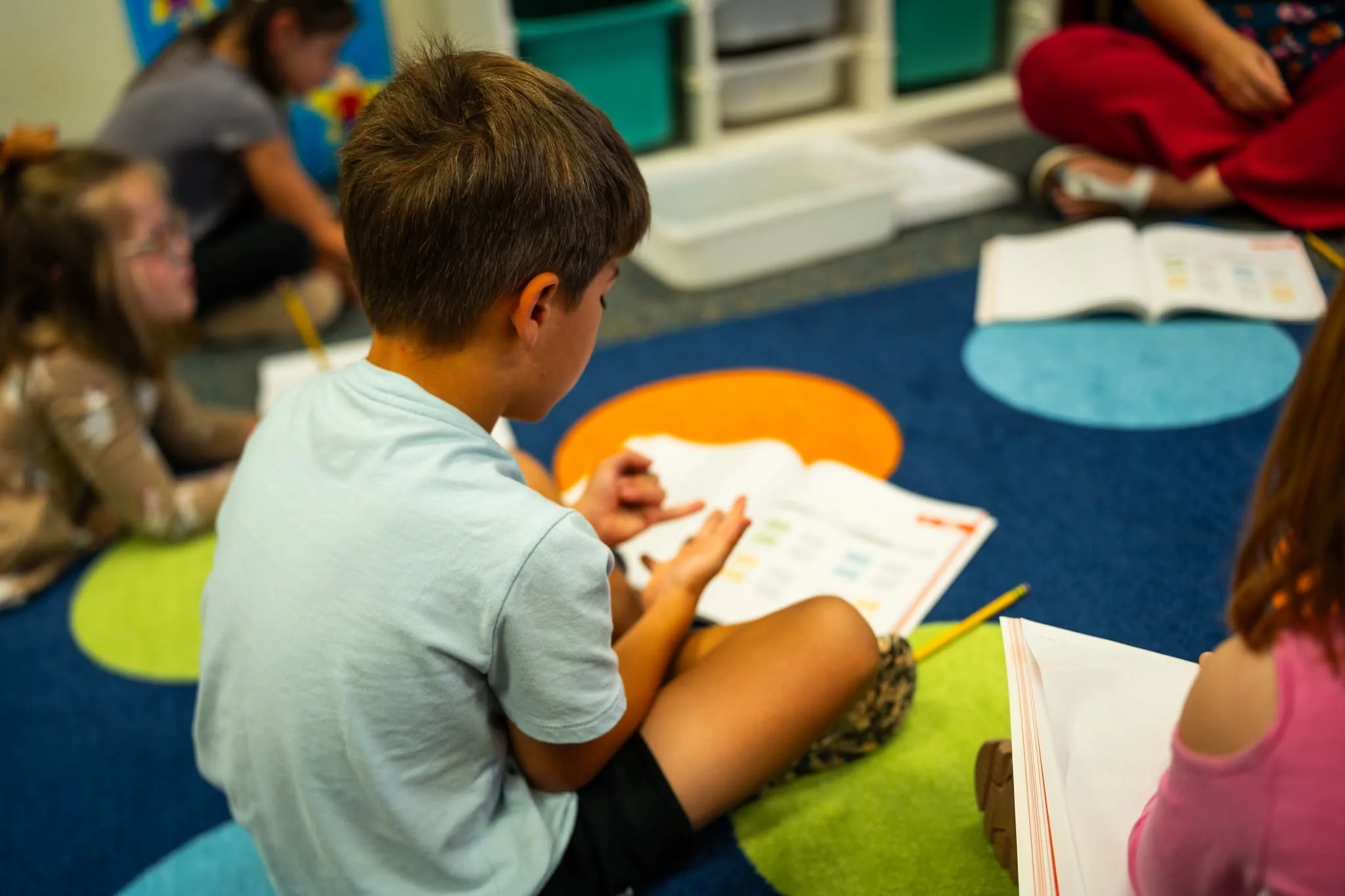
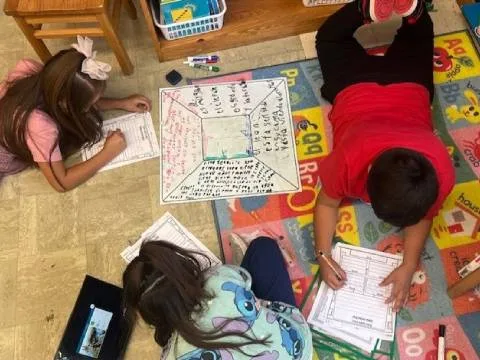
Three English learner students lying on the floor writing in books and using a Summarizing mat for a team-based task from the Model of Instruction for Deeper Learning.

Deeper Learning for
English Learners

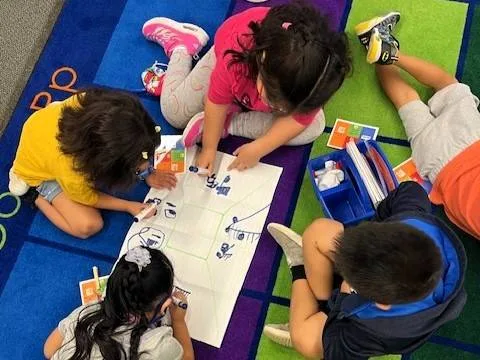
Four young children sitting on a colorful carpet and writing on a Summarizing Mat and using Agree/Disagree cards as part of the Model of Instruction for Deeper Learning.

Deeper Learning in
Pre-K

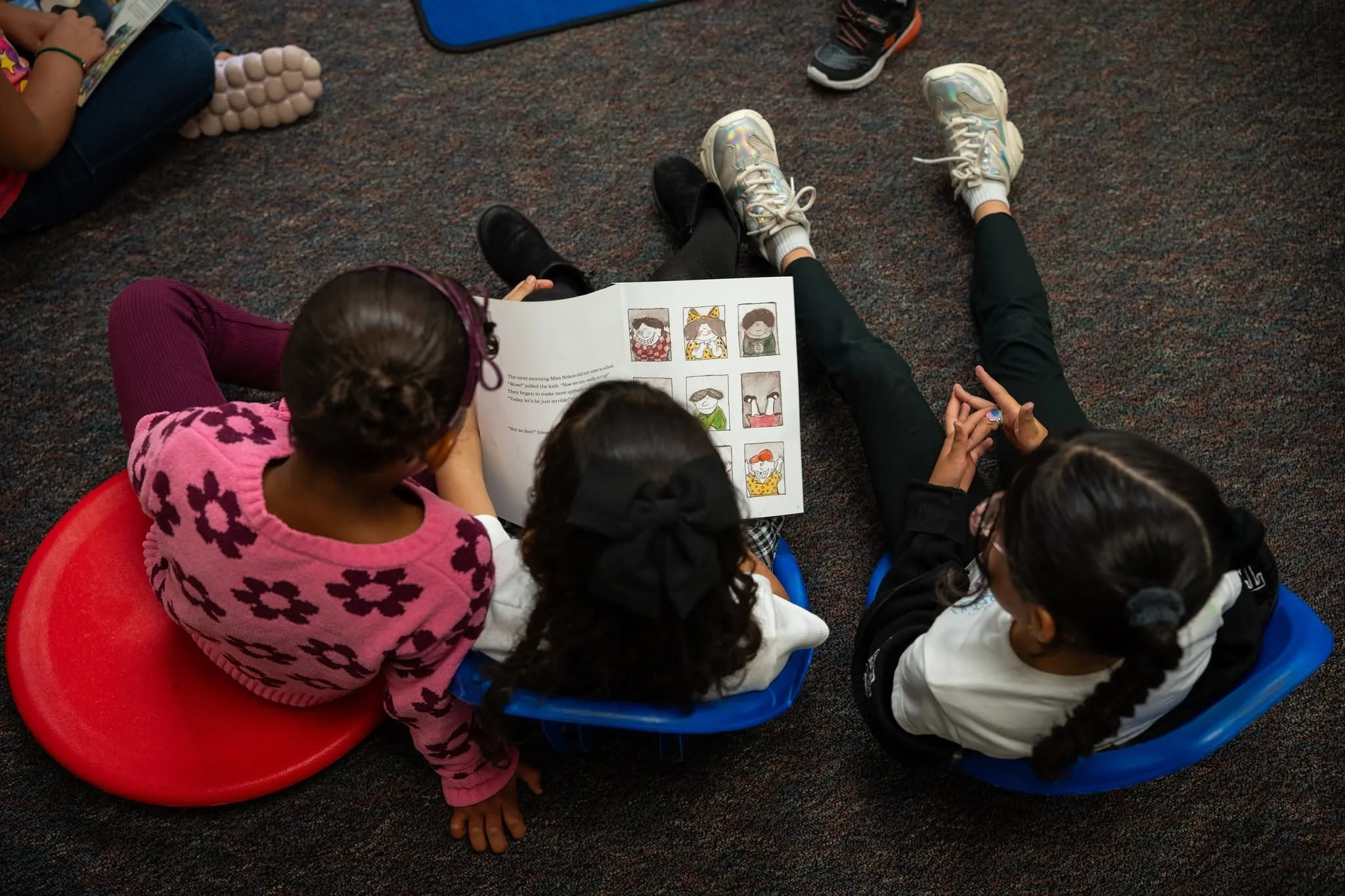
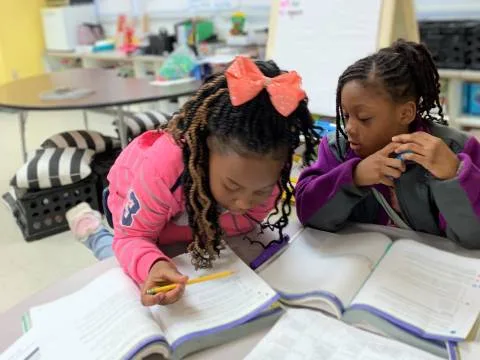
Two elementary school students reading a book together, engaged in deeper learning in an English language arts (ELA) classroom.

Deeper Learning in
ELA

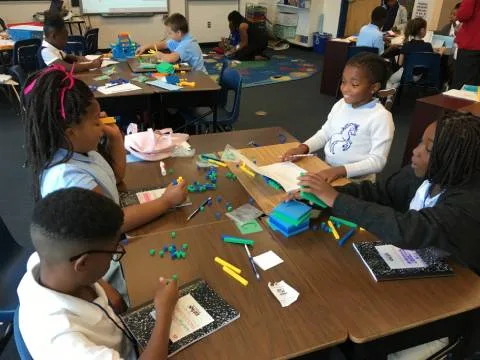
Four elementary school students sitting at desks using number cubes and having a rigorous discussion, engaged in deeper learning in a math classroom.

Deeper Learning in
Math

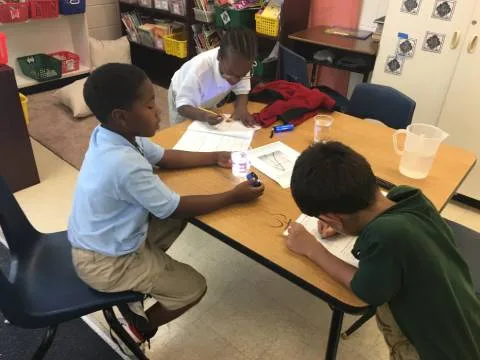
Three elementary school students sitting around a table using water cups and flashlights, engaged in deeper learning in a science classroom.

Deeper Learning in
Science

Watch the Model in Action

What Academic Discourse Sounds Like: Inside Deeper Learning Classrooms

Academic discourse doesn’t happen by accident—it’s built through intentional team structures. Watch students in elementary, middle, and high school classrooms put the Model of Instruction for Deeper Learning into practice: sharing ideas, citing evidence, and respectfully challenging different perspectives. Imagine this level of discourse happening consistently across your district, and what it could mean for achievement, engagement, and ownership of learning.

Transcript

Student A: My opinion is a bit different from yours. Over here it says, "We must always take sides — neutrality helps the oppressor." But that isn't inherently true, because sometimes both sides did something bad. So who would you help?

Student B: I understand — but I want to counter you. Wait, where was that again?

Student A: Page 260, paragraph 8, in the middle: "We must always take sides... to help the oppressor."

Student B: So you're saying that's for a situation where there's a clear oppressor and a clear victim — and sometimes there is, there are a lot of situations like that. When there's an oppressor and a victim, there's a good side and a bad side, and you can take sides. I understand what you're saying, but I think that passage is more about a situation where a victim hasn't done anything wrong.

Student C: I'd like to connect with what you both said, because I understand where you're both coming from. In most wars, there's a case where both sides have done something wrong.

Student D: ...then, yeah, they could probably pay it off. Actually, over fifty percent of students drop out of college because they can't afford it. That's over half.

Student E: Yeah, that's over half.

Student D: Right — so like [classmate] said, over fifty percent of students drop out of public universities because they can't afford it. If at least half of it were free, parents and students would feel a lot more relaxed about fees and bills.

Student E: So people who have jobs would have to pay taxes for a random person to go to college. If college were free, that wouldn't happen, because they'd already have the money to pay for it themselves.

Student D: But where's the money going to come from?

Student E: Because they went to college, they'd get a good job and be able to pay it back.

Student D: Yeah, but they haven't paid for it yet. Colleges would lose money — and if the student doesn't pay for it, who does? Some random person they don't even know?

Student E: Yeah, basically.

Student D: But that's not fair — a random person having to pay for someone they don't even know to go to college. You should be the one paying, because you're the one getting the experience, not someone who already graduated.

Student E: Yeah, but here's the thing...

Student F: We need to figure out another key detail. Does this one work? No — so now we have to think of another one. Does it support the topic, or does it not?

Student G: When volcanoes erupt, it may make the weather change and become chilly outside.

Student F: Okay, yeah — I do think that's right, but it doesn't say everywhere. It just says some areas of the world. It doesn't get cold in every area — just some.

Student G: I was confused because you said it gets cold outside.

Student F: Right, but maybe it just gets cold where the volcanoes actually are.

Student E: ...it's the spider — the spider is trying to get the fly to come to him so he can eat the fly.

Student D: I didn't think that.

Student E: He said, "Will you walk into my parlor?" He's asking him to walk in.

Student D: Oh, now I get why they said "parlor" — the spider is saying to come into his home, where he lives, where he sleeps.

Student E: So let's go back to the text and see who it really is.

Student A: Which one do you think grew faster — Friend Two or Friend Three? Take a guess, and then back it up.

Student B: Friend Three.

Student A: Why? Look at your data — everything you need to know is right there.

Student B: This one?

Student A: No, the other one.

Student C: It took two weeks to grow four inches. This one took six or seven weeks to grow six inches.

Student D: So you think this one's bigger because it only took two weeks to grow four inches?

Student A: I think Eduardo is on to something.
What Leaders and Teachers Say About the Model

Portrait of Krystal Rasmussen
Dr. Krystal Rasmussen
Chief of Curriculum, Colorado Springs School District 11, CO

From 'Are They Using the Curriculum?' to 'How Are They Using It?'

“It's more than just making sure everyone is using the same resource—it's also ensuring that resource is getting used in a high-quality, rigorous way with all students and all populations, which I think is just a fundamental difference in how curriculum has functioned in the past.”

Portrait of Karen Barber
Dr. Karen Barber
Superintendent, Santa Rosa County School District, FL

Faster Teacher Development from Day One

“Alternatively certified teachers are seeing early success because of the structures in the model. They set up team norms and students start working together and caring about each other. Alternatively certified teachers develop more quickly—not only on the classroom-management side of things, but the instructional side—because they're getting it from the beginning.”

Portrait of Christina Andrus
Christina Andrus
Coordinator of Professional Learning, Santa Rosa County School District, FL

Pride in Student Outcomes

“Teachers have this different sense of pride—not just in how high their test scores are, because those are increasing as well, but in seeing how they're fostering independence, community, and growing the whole child. I think that's why we go into teaching.”

Portrait of BJ Price
BJ Price
Director of Human Resources, Santa Rosa County School District, FL

Coaching with Rigor

“Our leaders have developed a more critical lens around what instruction is supposed to look like, and we've also strengthened our ability to coach to that level of expected performance.”

Portrait of Emily McCallum
Emily McCallum
Third-grade teacher, Oriole Beach Elementary School, FL

Seeing the Curriculum Through a Different Lens

“When I look at my curriculum through the lens of the Model of Instruction for Deeper Learning, I'm able to find open-ended prompts. I've been able to find ways to easily implement teaming that doesn't require hours of planning on my part, and that is seamless for the kids—it just becomes part of our daily routine and aligns well with my curriculum.”

Questions District Leaders Ask

What Is the Model of Instruction for Deeper Learning?

The Model of Instruction for Deeper Learning® is the research-validated instructional system. It gives teachers and students the structures to enact the High-Quality Instructional Materials (HQIM) you have already adopted. Teachers use a lesson cycle to plan rigorous tasks, students work in teams with defined roles, protocols for academic discourse, and critical thinking guides, and the district implements a coaching and verification process to ensure the HQIM are enacted and translating to higher student achievement.

Do we have to replace our curriculum?

No. The Model of Instruction for Deeper Learning was designed to put your existing HQIM into a structure every student can access.

How is the Model of Instruction for Deeper Learning® different from group work or a turn-and-talk?

The rigor of learning and the level of student autonomy, both of which support rapid academic growth. In typical group work, students can participate without engaging deeply with the content. In this model, each team operates with assigned roles, discourse protocols, and critical thinking guides that require every student to share evidence, use disciplinary language, and challenge and refine each other's reasoning, all with less reliance on the teacher for constant support.

What does it mean for a teacher to be "verified"?

Verification is Instructional Empowerment's process for confirming that a teacher demonstrates the evidence-based competencies in practice. It examines both teacher and student evidence, because teacher actions alone don't confirm that students reached the rigor the curriculum intended.

Will this help our new and alternatively certified teachers?

Yes, this is where districts often see the fastest return. School and district leaders report that their least experienced teachers use the model's team structures to turn the district's HQIM into high-quality instruction, and that the professional development and tools accelerate pedagogical skill development while they build content expertise.

Get Started with a Volunteer Teacher Pilot

A volunteer teacher pilot is a focused way to try the Model of Instruction for Deeper Learning with your curriculum, in your context.

A small group of willing teachers receives professional development, classroom resource kits, and coaching, working toward verification. Cohort size and length are scaled to your district, and colleagues can visit the implementing classrooms to see the change for themselves. Districts can request their own validation study from Instructional Empowerment’s Applied Research Center.

You don’t have to commit districtwide to find out whether this works in your schools. A pilot is the lowest-risk place to start.

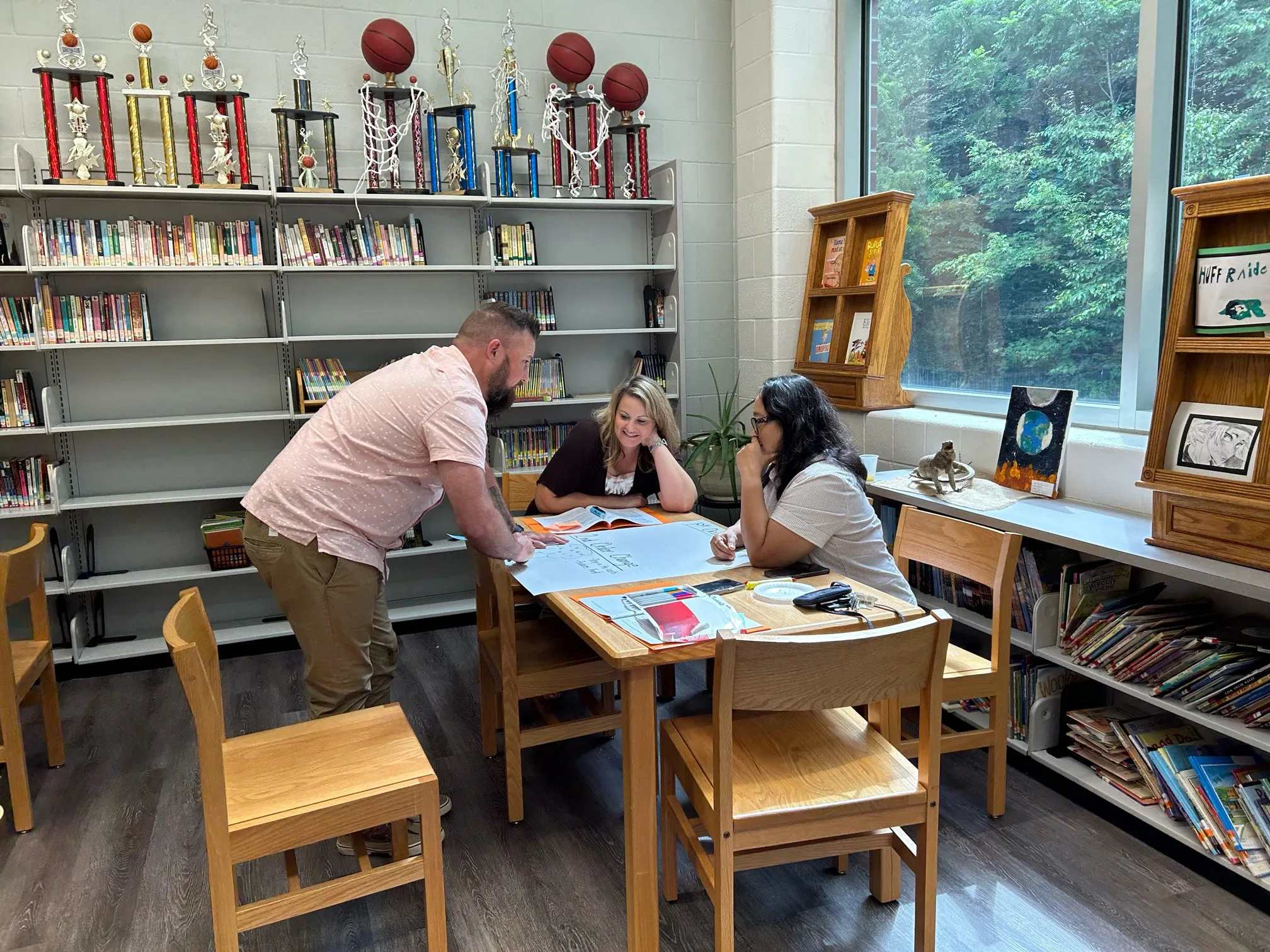
Principals and teachers in Wyoming County, West Virginia, pilot the Model of Instruction for Deeper Learning

Principals and teachers in Wyoming County, West Virginia, piloted the model, building a shared instructional language across grade levels that deepened teachers’ pedagogical skills and translated directly into stronger student outcomes.

See How Pilots Work

Talk with an experienced educational leader about what a pilot of the Model of Instruction for Deeper Learning would look like in your district with your existing curriculum, schools, and timeline.

Model of Instruction for Deeper Learning® is a registered trademark of Instructional Empowerment and is research-validated.

Connect with us

Tell us about your district, or request a quote for a volunteer teacher pilot or curriculum workshop. One of our experts, all former educators and school leaders, will reach out.

  • Talk with expert career educators, not salespeople
  • Hear how the model works and best practices for implementation
  • No obligation