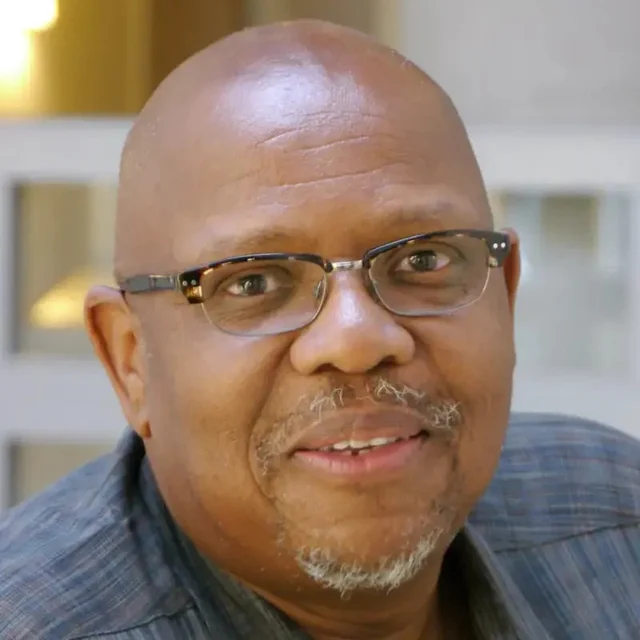
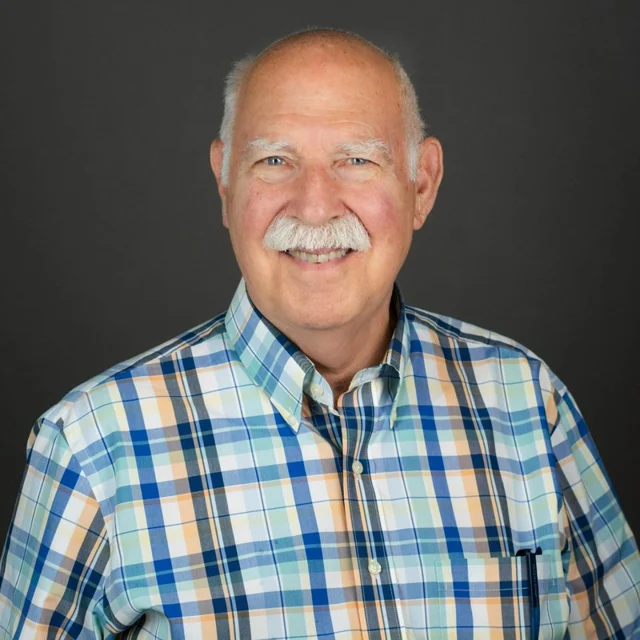
A learning scientist whose research and design efforts support community formation in schools and other organizations, so they can collaboratively and iteratively create new approaches to teaching, learning, and assessment.
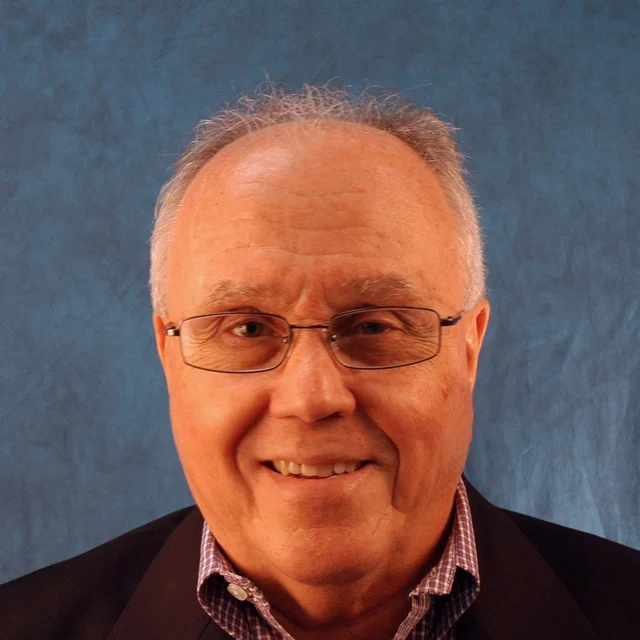
Emeritus Professor of Psychology and Learning Sciences, University of Illinois Chicago
The founding co-director of UIC's Learning Sciences Research Institute, whose work on thinking and learning shapes how assessment and instructional practice are designed.
Professor Emeritus of Educational Policy Studies, University of Illinois Chicago
The founding director of UIC's Center for Urban Education Leadership, whose work with Chicago Public Schools and the Learning Policy Institute strengthens principal preparation and school leadership policy.
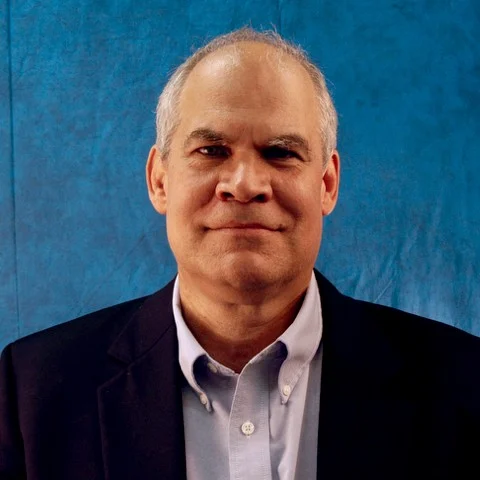
Assessment Specialist and Policy Advocate, University of Illinois Chicago
An assessment specialist whose research on statewide achievement and work with schools and districts help educators understand the strengths and limitations of large-scale assessment.
Instructional Empowerment is redefining rigor. Its work adds nuance to deeper learning that I haven’t seen before and provides practice and implementation details that don’t normally exist in this domain. Instructional Empowerment’s analytic infrastructure could help scale deeper learning.
Louis Gomez, Ph.D.Distinguished Professor of Education, UCLA
Deeper learning is easy to endorse but hard to put into practice. What I value about working with Instructional Empowerment is that its model turns what research tells us about effective learning into specific student and teacher actions and observable classroom indicators. They couple that work with rigorous research on efficacy of their instructional interventions and share the results openly, including through peer review.
James W. Pellegrino, Ph.D.Emeritus Professor of Psychology and Learning Sciences, University of Illinois Chicago
Having seen the Instructional Empowerment model implemented in elementary and secondary schools, I am impressed with its impact on teacher practice and student engagement. The model’s detailed attention to classroom procedures and relationships translates into equitable student learning opportunities and outcomes.
Steve Tozer, Ph.D.Professor Emeritus of Educational Policy Studies, University of Illinois Chicago
There are lots of understandable reasons for students, parents, educators, and policy makers to conclude that it’s unrealistic to make deep, collaborative learning a common feature of day-to-day, public schooling. Instructional Empowerment is committed to helping all those groups build the confidence, agency and will to make it happen anyway.
Paul Zavitkovsky, Ed.M.Assessment Specialist and Policy Advocate, University of Illinois Chicago